Dubai’s SARAAB: Open-Source AI That Detects Deepfakes
Dubai’s SARAAB: The Open-Source AI That Detects Deepfakes
On September 16, 2026, at GISEC Global in Dubai, the Dubai Electronic Security Centre (DESC) unveiled something the deepfake-detection world has been waiting for: SARAAB, an open-source AI model built specifically to detect manipulated video. Developed entirely in-house by an Emirati team, it is the first deepfake detection model created by a government entity in the Arab region — and with a reported accuracy of up to 91%, it arrives at a moment when synthetic video has never been harder to spot with the naked eye.
What makes SARAAB genuinely newsworthy isn’t just the accuracy figure. It’s the open-source decision. While most serious detection technology sits behind corporate APIs and paywalls, DESC plans to release SARAAB publicly — giving researchers, journalists, educators, and developers everywhere a powerful new tool in the fight for visual truth. Here’s how it works and why it matters for anyone who watches, shares, or verifies video online.
What Is SARAAB?
SARAAB is a deepfake detection model developed by the Dubai Electronic Security Centre, the government agency responsible for the emirate’s cybersecurity. According to DESC officials at the launch, an Emirati team built the system entirely in-house, analyzing how synthetic video differs from authentic footage at the pixel level.
The timing is deliberate. AI video generators in 2026 produce footage so realistic that obvious glitches have largely disappeared. DESC’s cybersecurity leadership has warned publicly that AI is now accelerating established forms of cybercrime, including fake social media profiles, voice cloning, and convincing impersonation videos. SARAAB is Dubai’s answer: detection technology that looks deeper than human eyes can.
How SARAAB Detects Deepfakes
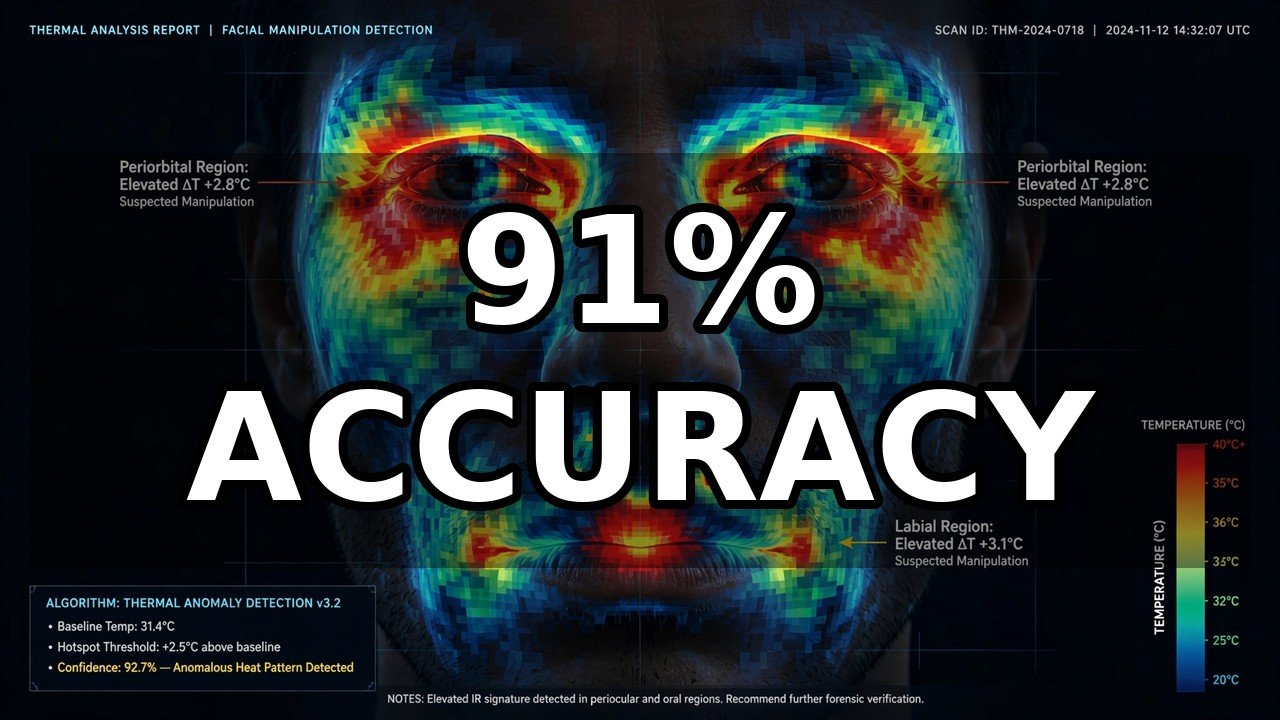
Instead of judging a video by how it looks, SARAAB scans footage frame by frame, generating heat maps over facial areas that highlight synthetic layers and manipulation traces invisible to human viewers. Rather than relying on a single frame, the system examines footage across the video’s full duration.
That temporal analysis enables one of SARAAB’s most practical capabilities: partial-manipulation detection. The model can flag, for example, a 30-second deepfaked segment hidden inside a two-minute otherwise-authentic video. SARAAB also works on short content: it can analyze videos as brief as seven seconds.
How Accurate Is SARAAB?
DESC reports accuracy of up to 91% on tested datasets and 89% on previously unseen data — the second number being the more honest measure of real-world performance. No detector is perfect, and compressed, re-uploaded social media video is the hardest case for every detection system. Detection tools are decision support, not decision makers.
Why Open-Source Changes Everything
DESC intends to publish SARAAB on developer platforms including Hugging Face by the end of 2026, making the model freely available worldwide. Open-sourcing detection models creates a virtuous cycle: independent testing hardens the model faster, developers can embed it into newsroom verification desks and classroom tools, and open code is a credibility advantage when asking people to trust an algorithm’s verdict about reality.
What SARAAB Means for You
- Creators: prove your authentic work is real. Verifiable provenance becomes a competitive advantage for honest creators.
- Educators: media-literacy lessons get a concrete demonstration tool.
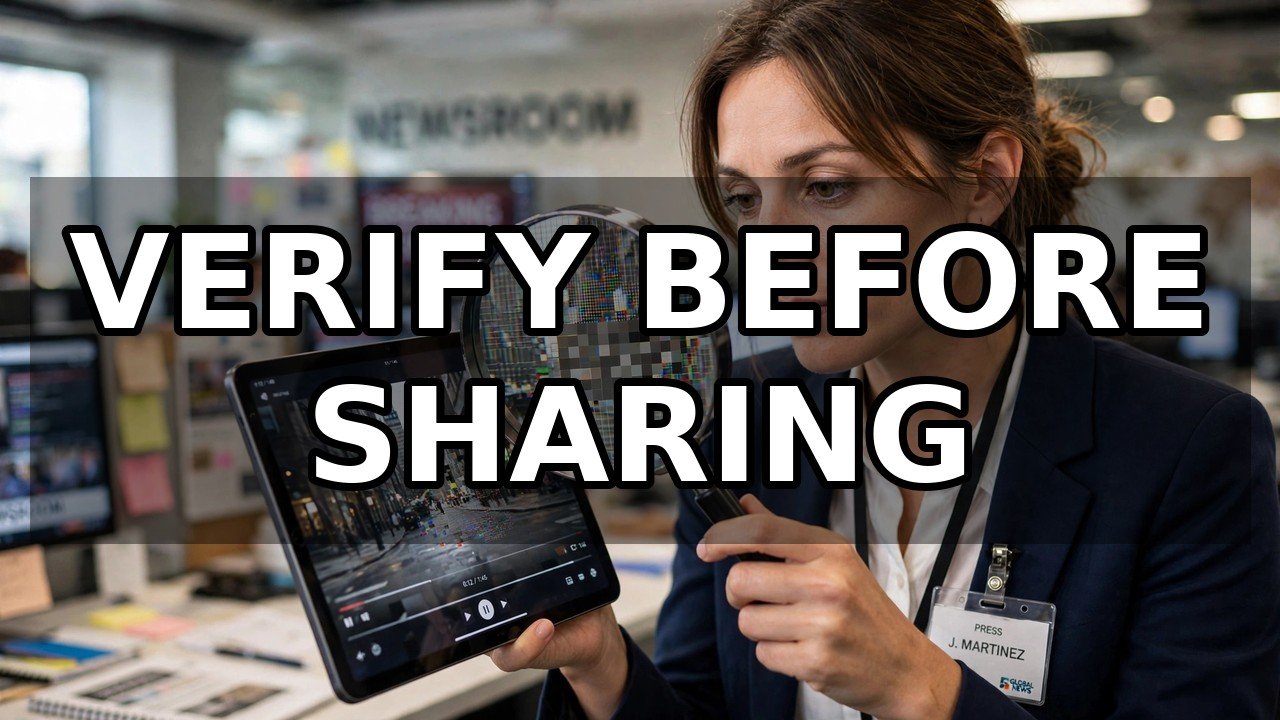
- Journalists: another layer in the verification stack for user-generated footage.
- Everyone: the habit to build now is verify before sharing. Free detection tools are already available — including the free AI video detector on this site.
Deepfakes won’t be solved by one model from Dubai, however good it is. But SARAAB represents exactly the right direction: serious accuracy, honest limits, and open access.
Frequently Asked Questions
What is SARAAB?
SARAAB is an open-source deepfake detection AI developed by the Dubai Electronic Security Centre (DESC) and unveiled on September 16, 2026, at GISEC Global 2026.
How accurate is SARAAB at detecting deepfakes?
DESC reports up to 91% accuracy on tested datasets and 89% on previously unseen data. Performance varies with video compression, editing, image quality, and the generation method.
When will SARAAB be publicly available?
DESC plans to release SARAAB as open source on developer platforms including Hugging Face by the end of 2026.
Can SARAAB detect partial deepfakes inside real videos?
Yes. SARAAB analyzes footage across its full duration and can flag manipulated segments within longer videos. It can analyze videos as short as seven seconds.
Put it to the test
Have a video you are unsure about? Scan it free — right in your browser.
⚡ Scan a Video Now